



XPS vs EPS: What Is the Difference and Which Insulation Material Is Right for Your Project?
July 28, 2026
Why Insulated Boxes and Pipe Insulation Are Essential for Energy Efficiency
July 28, 2026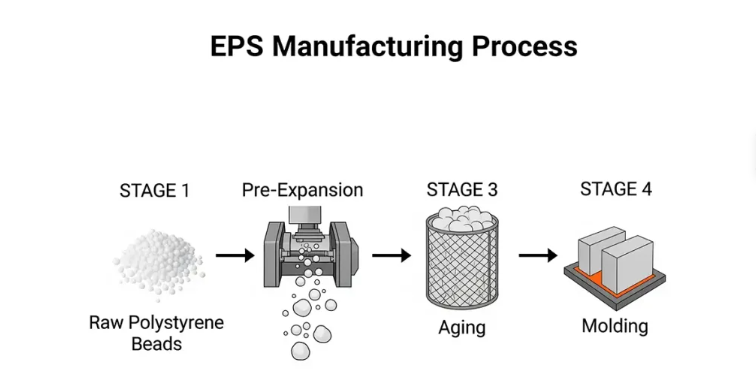
Modern businesses depend heavily on packaging. From electronics and appliances to food products and fragile equipment, products must be protected throughout storage, handling, transportation, and delivery.
A damaged product can result in financial losses, customer complaints, returns, and damage to a company’s reputation. This is why choosing the right packaging material is essential.
EPS packaging, also known as expanded polystyrene packaging, has become a popular solution for businesses that require lightweight, protective, and versatile packaging.
EPS packaging is manufactured from expanded polystyrene beads that are molded into specific shapes and designs. Because the material is lightweight and capable of absorbing impact, it can help protect products during transportation.
In this complete guide, we will explore EPS packaging, its benefits, common applications, and why businesses use it to protect products.
What Is EPS Packaging?
EPS stands for Expanded Polystyrene.
The material is created by expanding small polystyrene beads and molding them into different shapes. This process creates a lightweight material containing a significant amount of trapped air.
The structure of EPS provides several useful properties, including cushioning, thermal insulation, and low weight.
EPS packaging can be customized to fit the shape and size of specific products. This makes it particularly useful for products that require additional protection during transportation.
Why Is Packaging So Important?
Products can experience many risks during shipping.
Packages may be dropped, stacked, moved between vehicles, or exposed to vibration and pressure.
Without adequate protection, fragile items can become damaged before reaching the customer.
Good packaging should help reduce these risks while also being practical for storage and transportation.
EPS packaging provides cushioning around products, helping create a protective barrier between the product and external impacts.
Impact Protection
One of the main benefits of EPS packaging is its ability to absorb and distribute impact.
If a packaged product is accidentally dropped or experiences a sudden impact, the EPS structure can help reduce the force transferred to the product.
This makes EPS useful for protecting fragile and sensitive items.
Manufacturers can design EPS inserts that fit closely around products, reducing unwanted movement inside the packaging.
Lightweight Design
Transportation costs are an important consideration for businesses.
Heavy packaging can increase shipping costs and make products more difficult to handle.
EPS is extremely lightweight, which can help businesses reduce the overall weight of packaged products.
The lightweight nature of EPS also makes it easier for employees to handle packages during warehouse operations and shipping.
Custom-Made EPS Packaging
One of the biggest advantages of EPS packaging is its ability to be molded into different shapes.
Products come in many sizes and designs, so standard packaging does not always provide sufficient protection.
Custom EPS packaging can be designed around the dimensions of a particular product.
This helps minimize empty space and can provide a more secure fit.
Custom packaging is especially useful for electronics, appliances, machinery components, and other products that have unique shapes.
EPS Packaging for Electronics
Electronic products can be sensitive to impact and movement.
Televisions, computers, monitors, audio equipment, and other electronic devices often require protective packaging during transportation.
EPS inserts can be molded to hold products securely and provide cushioning around sensitive areas.
The lightweight structure also helps reduce unnecessary packaging weight.
EPS Packaging for Home Appliances
Large appliances such as refrigerators, washing machines, air conditioning units, and other household products require protection during transportation.
Manufacturers often use molded EPS components to protect corners, edges, and vulnerable areas.
The packaging can help reduce damage caused by impacts and movement during shipping.
EPS Packaging for Fragile Products
Fragile products require additional protection.
EPS can be used to create protective inserts and supports for products that may be vulnerable to impact.
By creating a custom fit, businesses can reduce movement inside the outer shipping box.
This can be especially important for products made from glass, ceramics, or other breakable materials.
Thermal Protection
EPS is not only useful for impact protection. It also has thermal insulation properties.
This makes it valuable for packaging temperature-sensitive products.
EPS insulated boxes can help slow down temperature changes and provide an additional layer of thermal protection during transportation.
This is particularly useful in food distribution, pharmaceutical logistics, and other temperature-sensitive industries.
EPS Insulated Boxes
EPS insulated boxes are designed to help protect products from temperature fluctuations.
They are commonly used for transporting items that need to remain within a particular temperature range.
Depending on the application, insulated boxes may be used with ice packs, gel packs, or other temperature-control solutions.
The insulation helps slow the transfer of heat between the inside and outside of the box.
Businesses should select insulated packaging based on the required temperature range, shipping duration, product characteristics, and transportation conditions.
Benefits for Food Transportation
Food products can be sensitive to temperature.
Fresh seafood, meat, dairy products, fruits, vegetables, and other perishable goods may require insulated transportation.
EPS insulated boxes can provide thermal protection while also helping protect the contents from physical damage.
The packaging can be particularly useful when products are shipped over long distances.
Benefits for Businesses
EPS packaging can offer several advantages to businesses.
These include:
- Lightweight construction
- Impact protection
- Customizable designs
- Thermal insulation
- Easy handling
- Product protection during transportation
- Suitability for different industries
By reducing product damage, effective packaging can help businesses minimize returns and improve customer satisfaction.
Choosing the Right EPS Packaging
The right packaging depends on the product.
Consider the following factors:
Product Size
Packaging should be appropriately sized to reduce unnecessary movement.
Product Weight
Heavy products may require stronger and more supportive packaging designs.
Fragility
Highly fragile products may require additional cushioning and customized inserts.
Temperature Requirements
Temperature-sensitive products may require insulated boxes and additional cooling solutions.
Shipping Conditions
Consider the distance, transportation method, handling conditions, and expected delivery time.
The Importance of Customization
Standard packaging may work well for simple products, but customized EPS packaging can provide better protection for products with unusual dimensions.
A custom design can position the product securely and protect sensitive areas.
This can be particularly valuable for manufacturers that ship large quantities of products regularly.
EPS Packaging and Sustainability
Businesses are increasingly considering the environmental impact of packaging.
EPS packaging should be managed responsibly throughout its lifecycle. Depending on local facilities and regulations, EPS may be collected for recycling or processed through specialized recycling systems.
Companies should consider the full lifecycle of their packaging and follow appropriate local waste-management guidelines.
Businesses can also explore packaging designs that minimize unnecessary material while maintaining adequate product protection.
Why Product Protection Matters
The cost of damaged products can be much higher than the cost of effective packaging.
Damage may result in:
- Product replacement costs
- Return shipping expenses
- Customer dissatisfaction
- Delayed deliveries
- Negative reviews
- Brand reputation issues
Investing in suitable protective packaging can therefore be an important part of a company’s overall logistics strategy.
Final Thoughts
EPS packaging is a versatile solution for businesses that need lightweight and protective packaging.
Its ability to absorb impact, provide cushioning, and offer thermal insulation makes it suitable for a wide range of industries.
From electronics and home appliances to fragile products and temperature-sensitive goods, EPS packaging can help businesses protect their products throughout the shipping process.
The key is selecting the right packaging design for the specific product and transportation requirements.
With appropriate planning, customization, and responsible material management, EPS packaging can help businesses reduce product damage, improve customer satisfaction, and create a more reliable shipping experience.

