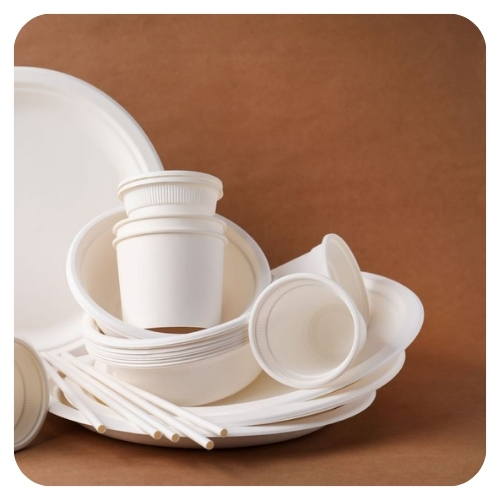
Expanded Polystyrene Packaging: Benefits, Applications, and Industry Trends

Thermal pipe insulation by Style Styrofoam featuring EPS pipe sections designed to reduce heat loss, prevent condensation, and improve energy efficiency.

Thermal Pipe Insulation: Benefits, Materials, and Applications

August 21, 2026
EPS insulated boxes by Style Styrofoam for temperature-sensitive packaging, offering thermal insulation, temperature control, and safe product transport.

EPS Insulated Boxes: The Smart Choice for Temperature-Sensitive Packaging

August 22, 2026
Thermal pipe insulation by Style Styrofoam featuring EPS pipe sections designed to reduce heat loss, prevent condensation, and improve energy efficiency.

Thermal Pipe Insulation: Benefits, Materials, and Applications

August 21, 2026
EPS insulated boxes by Style Styrofoam for temperature-sensitive packaging, offering thermal insulation, temperature control, and safe product transport.

EPS Insulated Boxes: The Smart Choice for Temperature-Sensitive Packaging

August 22, 2026

Expanded Polystyrene Packaging has become a widely used protective packaging solution across industries that require lightweight handling, thermal insulation, cushioning, and reliable product protection. Commonly known as EPS packaging, this material is produced by expanding polystyrene beads into a rigid yet lightweight cellular structure. Its unique composition allows it to absorb impacts, resist moisture, and provide excellent insulation while adding very little weight to a packaged product. These characteristics make it suitable for food, electronics, healthcare, industrial equipment, appliances, and many other applications.
Businesses are constantly looking for packaging materials that can reduce product damage, simplify transportation, and improve storage efficiency. EPS solutions meet many of these requirements while allowing manufacturers to create custom shapes for specific products. From temperature-sensitive deliveries to fragile electronic equipment, molded foam packaging provides consistent protection throughout transportation and handling. As logistics systems continue to evolve, companies are also exploring improved collection, recycling, and material optimization methods to make EPS packaging more efficient throughout its life cycle.

Major Benefits of Expanded Polystyrene Packaging

One of the strongest advantages of Expanded Polystyrene Packaging is its excellent strength-to-weight ratio. Products can receive substantial protection without adding unnecessary transportation weight. The foam structure helps absorb shocks that occur when packages are dropped, stacked, or transported over uneven surfaces. Because less weight is added to shipments, businesses can also improve handling efficiency and potentially reduce transportation-related costs.
EPS also performs well where insulation and moisture resistance are important. Its closed-cell structure slows heat transfer, helping maintain more stable temperatures inside insulated packaging. This property is particularly valuable for food products, pharmaceuticals, medical supplies, seafood, and other temperature-sensitive items. At the same time, EPS does not readily absorb large amounts of water, allowing it to maintain its protective performance in environments where moisture may be present.

Excellent Cushioning and Impact Protection

Fragile products can experience significant mechanical stress throughout warehouses, loading facilities, transportation vehicles, and final delivery. Molded foam components protect products by absorbing and distributing impact energy before it reaches sensitive equipment or surfaces. Manufacturers can create packaging with specific thicknesses and support points based on the weight, dimensions, and fragility of the item being shipped.
This cushioning ability makes EPS particularly useful for electronics, household appliances, glass products, automotive components, furniture, and industrial equipment. Corner protectors, end caps, molded inserts, and complete protective shells can all be designed to hold products firmly in position. Properly engineered cushioning can reduce scratches, cracks, dents, and other forms of transportation damage.

Lightweight and Cost-Efficient Performance

Packaging weight has a direct influence on handling and transportation efficiency. Because EPS contains a high percentage of air, relatively large protective components can remain exceptionally lightweight. Workers can handle packaged goods more easily, while businesses can avoid adding excessive packaging weight to each shipment. This can become especially important when companies distribute high volumes of products.
The material is also efficient because protective packaging can be produced in precise shapes. Customized designs help manufacturers use material only where protection is needed instead of filling an entire carton with loose cushioning materials. Proper design can reduce empty space, improve carton organization, and support faster packing operations. These advantages make molded foam suitable for businesses seeking practical performance without unnecessary packaging complexity.

Applications of Expanded Polystyrene Packaging

The flexibility of EPS allows it to serve numerous industries with very different packaging requirements. Some products require impact resistance, while others need insulation, dimensional stability, or secure positioning during transportation. Because EPS can be molded into complex shapes, manufacturers can create packaging systems that respond directly to these individual needs rather than relying on one universal packaging design.
Applications range from simple protective corners to highly engineered insulated shipping containers. Food suppliers use foam boxes for temperature control, electronics manufacturers use custom inserts for fragile components, and appliance manufacturers use molded sections around large products. Industrial companies also use EPS for machinery parts, tools, equipment, and other products that require stable support during storage or distribution.

Food and Temperature-Sensitive Products

Food transportation is one of the most recognizable uses of EPS packaging. Insulated boxes help reduce temperature fluctuations during the delivery of seafood, meat, dairy products, vegetables, prepared foods, and other perishable goods. When used with suitable cooling materials and properly planned distribution methods, the insulation properties of EPS can help preserve product conditions during transportation.
The lightweight nature of the material is another advantage for food distribution. Large insulated containers remain manageable for employees and delivery personnel. EPS packaging can also provide physical protection against crushing and handling damage. Businesses should still follow appropriate food safety, temperature-control, hygiene, and transportation procedures when selecting packaging for sensitive products.

Electronics and Electrical Equipment

Electronic products frequently contain fragile components that may be damaged by vibration, impact, or excessive movement. Customized EPS inserts can surround televisions, monitors, computers, household electronics, lighting products, and electrical devices with a protective cushioning layer. Packaging designers can create molded sections that correspond closely to the product’s dimensions and vulnerable areas.
Accurate product positioning also helps improve the overall presentation when customers open a package. Accessories, cables, documentation, and supporting components can be organized in defined spaces instead of moving freely inside the shipping carton. This combination of protection and organization makes molded EPS useful for both consumer electronics and commercial electrical equipment.

Medical and Pharmaceutical Distribution

Healthcare and pharmaceutical supply chains often require carefully controlled transportation conditions. Insulated EPS containers can support the delivery of diagnostic samples, laboratory materials, certain medicines, medical supplies, and temperature-sensitive healthcare products when used as part of a properly validated packaging system. Its thermal properties help slow external temperature changes during transportation.
Protection against physical damage is equally important in healthcare logistics. Sensitive containers, equipment, and supplies may need to remain stable throughout loading and delivery. Molded foam inserts can provide structured support while insulated boxes offer additional thermal performance. Packaging specifications should always be developed according to the actual temperature range, transport duration, product requirements, and applicable regulations.

Industrial and Appliance Packaging

Large appliances and industrial equipment require packaging that can protect edges, corners, surfaces, and vulnerable components without creating unnecessary shipping weight. EPS blocks, corner sections, end caps, and molded supports are commonly used around refrigerators, washing machines, air-conditioning equipment, furniture, machinery, and other manufactured products.
Custom-designed components help distribute pressure across suitable areas of the product and keep it separated from the outer carton. This can reduce damage caused by stacking, vibration, and accidental impacts. For manufacturers shipping products over long distances, reliable protective packaging can contribute to fewer returns, lower replacement costs, and improved customer satisfaction.

Expanded polystyrene packaging protecting home appliances, highlighting lightweight design, impact absorption, and thermal insulation benefits.


Custom Design and Manufacturing Advantages

One reason Expanded Polystyrene Packaging remains valuable is its ability to be customized for different product dimensions. Packaging manufacturers can develop molds and components that match the shape of an item while supporting its most important areas. This allows packaging systems to provide targeted protection instead of relying on excessive amounts of generic cushioning.
Customization can also improve packing speed and consistency. Employees can place products into pre-designed inserts with clearly defined positions, reducing variation during the packaging process. Manufacturers such as Style Styrofoam Industries can develop EPS packaging solutions for different commercial and industrial requirements, helping businesses achieve an effective balance between cushioning, insulation, material use, and handling efficiency.

Sustainability and Recycling Considerations

Sustainability has become an important consideration across the packaging industry. EPS uses relatively little polymer compared with its overall volume because most of its structure consists of air. Its lightweight characteristics can also help limit additional transport weight. However, effective end-of-life management remains important because the material occupies significant space before it is compacted.
Collection and recycling systems can process clean EPS by compacting or densifying it before transportation. The recovered material may then be used in suitable applications depending on local recycling infrastructure. Businesses using large quantities of foam packaging can improve material management by keeping EPS clean, separating it from other waste, and working with recycling or collection partners where appropriate services are available.

Industry Trends Shaping EPS Packaging

The packaging sector is increasingly focused on material efficiency, improved design, reduced product damage, optimized logistics, and responsible waste management. Instead of simply increasing packaging thickness, manufacturers are using better product analysis to place cushioning only where it delivers the greatest protection. Lightweighting and custom engineering are becoming important parts of efficient packaging development.
Automation is another important trend. Packaging components designed with accurate dimensions can integrate more easily into organized production and assembly processes. Companies are also paying greater attention to recoverability and recycling systems. As environmental expectations increase, EPS manufacturers and users are likely to focus more strongly on optimized designs, recycled-content opportunities where technically suitable, collection programs, and clearer disposal guidance.

Growth of Cold Chain Packaging

Cold chain logistics continues to support demand for high-performance insulated packaging. Food delivery, seafood distribution, pharmaceuticals, laboratory products, biotechnology supplies, and other temperature-sensitive goods require packaging capable of slowing temperature changes throughout transportation. EPS remains useful in this area because it combines thermal resistance with low weight and structural protection.
The development of e-commerce and specialized delivery networks has also increased the importance of dependable insulated shipping systems. Packaging must perform through multiple handling points rather than only during direct business-to-business transportation. Companies are therefore paying closer attention to package dimensions, refrigerant placement, insulation thickness, shipment duration, and distribution conditions.

Increasing Demand for Customized Solutions

Businesses increasingly expect packaging to match the characteristics of their products instead of adapting products to generic boxes and fillers. Customized EPS inserts can be produced according to product weight, dimensions, shape, and vulnerability. This helps companies use protective material more strategically and can create a cleaner, more organized packaging system.
Customization also supports branding and customer experience indirectly by helping products arrive in better condition. A product that is securely positioned and professionally presented can strengthen the customer’s perception of quality. For manufacturers and exporters, reliable customized packaging can therefore support both practical logistics and overall brand reputation.

Role of Digital Design and Precision Manufacturing

Modern product development tools make it easier to analyze dimensions and create accurate packaging components. Digital models can support the development of molded inserts, supports, protective corners, and insulated containers that follow product geometry more closely. Greater design precision can reduce excessive material use while maintaining necessary protective performance.
Precision manufacturing can also improve consistency across large production volumes. When every component follows the same dimensions, businesses can standardize packing procedures, carton sizes, and warehouse arrangements more effectively. Combined with testing and continuous design improvements, digital manufacturing methods are helping protective packaging become increasingly efficient and application-specific.

Choosing the Right EPS Packaging Solution

Selecting the right packaging starts with understanding the product rather than selecting material thickness alone. Businesses should evaluate product weight, dimensions, fragility, transportation distance, handling conditions, stacking requirements, moisture exposure, and temperature sensitivity. A lightweight electronic device, for example, requires a different cushioning design from a heavy industrial component.
Companies should also consider storage space, carton dimensions, packing procedures, expected shipment volume, and end-of-life management. Working with an experienced manufacturer can help determine appropriate densities, component shapes, and insulation thicknesses. A well-designed solution should provide necessary protection while avoiding unnecessary material, excessive package size, and inefficient handling.

Why Quality EPS Packaging Matters for Businesses

Product damage can create expenses far beyond the price of the packaging itself. Returns, replacements, repair costs, additional transportation, lost inventory, and customer dissatisfaction can significantly affect a business. Reliable protective packaging reduces exposure to these risks by helping products remain stable and protected from the factory to their final destination.
Companies also benefit from packaging that supports efficient warehouse and shipping operations. Lightweight, consistently sized components can simplify handling, packing, stacking, and transportation. Businesses looking for customized foam packaging can explore solutions from Style Styrofoam Industries through stylestyrofoamind.com for packaging requirements across food, commercial, construction, industrial, and other applications.

Conclusion

Expanded Polystyrene Packaging continues to provide a practical combination of lightweight construction, cushioning, thermal insulation, moisture resistance, and design flexibility. These characteristics make it suitable for a wide range of industries, from food distribution and healthcare to electronics, appliances, and industrial manufacturing. When properly designed for the product, EPS packaging can reduce movement, minimize transportation damage, improve handling, and support more organized logistics.
Future development in the sector is likely to focus on more efficient designs, custom manufacturing, cold-chain performance, material optimization, recycling infrastructure, and responsible end-of-life management. Businesses that select packaging according to actual product and transportation requirements can gain both operational and protective benefits. With carefully engineered solutions from experienced manufacturers such as Style Styrofoam Industries, companies can create dependable packaging systems that support safer transportation and stronger product protection.

Frequently Asked Question

1. What is Expanded Polystyrene Packaging?
Expanded Polystyrene Packaging is a lightweight protective material manufactured from expanded polystyrene beads. Its cellular structure provides cushioning, insulation, moisture resistance, and structural support for products during storage and transportation.
2. What products can be protected with EPS packaging?
It can be used for electronics, appliances, industrial equipment, food products, seafood, medical supplies, furniture, glass products, automotive components, and many other goods that require cushioning or thermal protection.
3. Is EPS suitable for temperature-sensitive packaging?
Yes. EPS provides useful thermal insulation and is commonly used in insulated boxes and containers. The exact packaging system should still be designed according to required temperatures, shipment duration, cooling materials, and product specifications.
4. Can expanded polystyrene packaging be customized?
Yes. EPS can be molded and cut into different shapes, sizes, densities, inserts, corner protectors, containers, and support components. Customization allows the packaging to fit closely around a particular product and provide targeted protection.
5. Can EPS packaging be recycled?
Clean EPS can be collected, compacted, and recycled where suitable facilities and recycling programs are available. Businesses can improve recovery by separating clean EPS from contaminated materials and using appropriate local collection systems.

Expanded Polystyrene Packaging: Benefits, Applications, and Industry Trends
This website uses cookies to improve your experience. By using this website you agree to our Data Protection Policy.
Read more