



EPS Insulated Boxes: The Smart Choice for Temperature-Sensitive Packaging
August 22, 2026EPS Insulated Boxes: The Smart Choice for Temperature-Sensitive Packaging
August 22, 2026Disposable food containers have become an essential part of modern food service. Restaurants, cafés, catering companies, supermarkets, delivery services, and households rely on practical packaging to store, serve, and transport food safely. The right container helps protect food from contamination, leakage, temperature changes, and physical damage while making takeaway and delivery more convenient for customers.
As businesses focus more on performance and responsible packaging practices, choosing suitable materials has become increasingly important. Expanded Polystyrene Packaging is one option widely used where lightweight construction, insulation, cushioning, and temperature protection are required. Understanding the features, uses, and environmental considerations of different disposable containers can help businesses make informed packaging decisions.
Understanding Disposable Food Containers
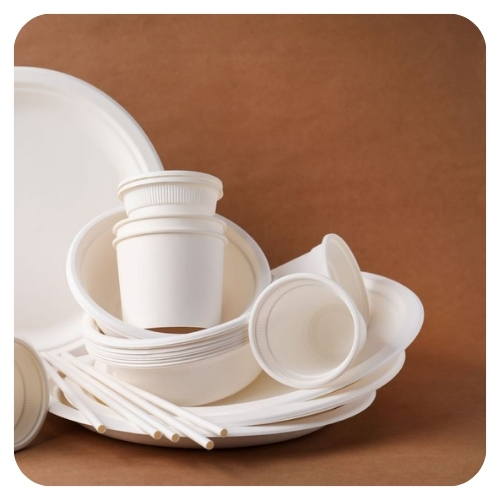
Disposable food containers are single-use or limited-use packaging products designed to hold prepared meals, snacks, beverages, fresh produce, frozen goods, and takeaway foods. Common options include food boxes, bowls, plates, meal trays, cups, insulated containers, and takeaway packaging. Different designs are available to meet specific food-service requirements, including resistance to grease, moisture, heat, and accidental leakage.
The Growing Importance of Sustainable Food Packaging
Sustainable food packaging focuses on reducing unnecessary material use while maintaining the protection needed to keep food safe and usable. Effective packaging should minimize food loss, make transportation efficient, and provide appropriate protection throughout storage and delivery. Businesses should therefore consider packaging as part of the complete product lifecycle rather than judging sustainability by material type alone.
Good packaging design can also reduce unnecessary weight and oversized containers. When businesses select containers that properly match portion size, transportation conditions, and temperature requirements, they can improve packaging efficiency. Responsible waste collection, recycling infrastructure, material recovery, and local disposal practices also play important roles in determining the overall environmental impact of a packaging solution.
The Role of Expanded Polystyrene Packaging in Food Protection
Expanded Polystyrene Packaging is produced from expanded polystyrene material with a cellular structure containing trapped air. This construction gives it a combination of low weight, cushioning ability, and thermal insulation. These properties make the material suitable for packaging applications where products must be protected from physical impact or temperature changes during handling, storage, and transportation.
For food distribution, thermal performance can be especially valuable. Insulated EPS containers are commonly used for products such as seafood, meat, poultry, dairy items, frozen foods, fruits, vegetables, and other temperature-sensitive goods. Style Styrofoam Industries describes its insulated boxes as solutions designed for temperature control and cold-chain transportation.
Lightweight Design and Easy Transportation
One major advantage of expanded polystyrene is its low weight. Packaging adds to the total weight of every food shipment, so lightweight materials can make packages easier for employees, delivery personnel, and customers to handle. Lower packaging weight can also improve logistical efficiency, particularly when large quantities of food products are transported regularly.
Common Applications in the Food Industry
Disposable containers are used throughout the food-service supply chain. Restaurants use them for takeaway meals, while catering companies depend on trays, bowls, plates, cups, and containers when serving large gatherings. Bakeries, cafés, supermarkets, cloud kitchens, and delivery businesses also require packaging that is convenient, durable, and suitable for different types of hot or cold foods.
For larger distribution operations, insulated food packaging can support seafood transportation, meat and poultry delivery, frozen food distribution, dairy transport, fresh produce handling, and cold-chain logistics. EPS solutions are especially relevant when thermal insulation is required alongside impact protection. Style Styrofoam Industries lists food and beverage packaging and cold-chain packaging among the applications for its EPS packaging solutions.
Catering and Large-Scale Food Service
Catering operations often need packaging that is simple to store, distribute, and dispose of after use. Disposable plates, bowls, serving trays, cutlery, meal trays, and beverage containers can support efficient service at corporate events, weddings, educational facilities, hospitals, exhibitions, and other large gatherings where reusable tableware may not always be practical.
Bulk food-service operations should also consider consistency and storage efficiency when purchasing packaging. Products that stack easily and occupy less warehouse space can simplify inventory management. Style Styrofoam Industries states that its disposable tableware range is intended for restaurants, catering businesses, and large-scale food-service operations, with options including food containers and takeaway packaging.
Sustainability Considerations for EPS Food Packaging
Sustainability requires a balanced assessment of packaging performance and end-of-life management. EPS uses a lightweight cellular structure, which can reduce the amount of solid material required to create protective volume. Its low weight may also offer transportation advantages. However, responsible collection and waste management remain essential because improperly discarded packaging can create environmental problems.
EPS can be recovered and processed through appropriate recycling systems where suitable facilities are available. Recycling access varies by location, so businesses should review local collection options and regulations before making environmental claims. A practical sustainability strategy can include reducing unnecessary packaging, choosing correctly sized designs, preventing food waste, separating materials properly, and working with waste-management providers that accept relevant packaging materials.
Reducing Food Waste Through Better Packaging
Packaging sustainability is not limited to what happens after a container is discarded. Protecting food from damage and premature spoilage can also reduce waste throughout the supply chain. If a container prevents leakage, crushing, contamination, or excessive temperature exposure, it may help more food reach customers in acceptable condition.
Choosing the Right Food Packaging Solution
The best container depends on the product it needs to protect. Businesses should consider whether the food is hot, chilled, frozen, dry, oily, liquid, or highly perishable. Leak resistance, grease resistance, insulation, strength, portion size, stacking ability, hygiene, and ease of handling should all be considered before selecting a packaging solution.
Distribution conditions are equally important. A meal served immediately has different packaging requirements from seafood transported through a cold chain or frozen products shipped over longer distances. Matching the packaging to the application can improve food protection while avoiding unnecessary costs and excess material.
Quality and Food-Service Performance
Food containers must perform reliably during real-world use. Weak packaging can bend, crack, leak, or become difficult to handle, resulting in wasted food and poor customer experiences. Businesses should therefore prioritize products that provide appropriate durability and resistance for their intended food type.
Style Styrofoam Industries describes its disposable tableware as food-grade, durable, leak-resistant, grease-resistant, and suitable for hot and cold food applications. Its range covers products for takeaway, catering, and general food packaging, allowing businesses to select formats according to their service needs.

Food Packaging Solutions from Style Styrofoam Industries
Style Styrofoam Industries provides a variety of insulation and packaging products for commercial and industrial requirements in Pakistan. Its portfolio includes EPS packaging, insulated boxes, disposable tableware, EPS sheets, EPS beads, pipe insulation, and other insulation-related solutions. The company’s EPS packaging offerings are designed around properties such as lightweight protection, cushioning, and thermal insulation.
For food businesses, the available range includes disposable food containers, meal trays, lunch boxes, plates, bowls, cups, serving trays, takeaway containers, and insulated boxes. This variety allows restaurants, catering companies, distributors, and cold-chain operators to select packaging according to their food type, handling conditions, and transportation requirements.
Conclusion
Disposable food containers play an important role in modern restaurants, catering operations, takeaway services, supermarkets, and food distribution networks. Selecting the right solution helps businesses protect food, improve hygiene, reduce leakage, simplify transportation, and maintain better product quality from preparation to final delivery. Lightweight and insulating materials can be particularly useful when food must travel over longer distances or remain temperature controlled
Frequently Asked Question
1. What is Expanded Polystyrene Packaging used for in the food industry?
Expanded polystyrene is commonly used when lightweight cushioning or thermal insulation is needed. In food logistics, insulated containers can be used for seafood, frozen foods, meat, poultry, dairy products, fruits, vegetables, and other items that require additional temperature protection during transportation.
2. Are disposable food containers suitable for takeaway businesses?
Yes. Disposable containers are widely used by restaurants, cafés, cloud kitchens, bakeries, catering companies, and takeaway services because they simplify food handling and transportation. Different formats can accommodate dry foods, meals containing sauces, snacks, desserts, and hot or cold products.
3. Can EPS packaging help maintain food temperature?
EPS has thermal insulating properties because its structure contains trapped air. This helps slow the transfer of heat between the inside of the container and the surrounding environment, which is why insulated EPS boxes are commonly associated with cold-chain and temperature-sensitive transportation.
4. Is Expanded Polystyrene Packaging recyclable?
EPS can be collected and processed for recycling where suitable recycling infrastructure exists. Because recycling systems differ between regions, businesses should confirm whether local waste-management providers accept expanded polystyrene before describing a specific package as locally recyclable.
5. What should businesses consider when choosing disposable food packaging?
Businesses should consider food temperature, moisture level, grease content, portion size, transportation distance, storage conditions, leak resistance, durability, insulation needs, and ease of handling. Cost matters as well, but the cheapest container may not provide adequate protection for every application.
.
